La Profumiera di Venezia by Irina Vaganova
NIAOULI ROBERTET ORGANIC ESSENTIAL OIL
NIAOULI ROBERTET ORGANIC ESSENTIAL OIL
Couldn't load pickup availability
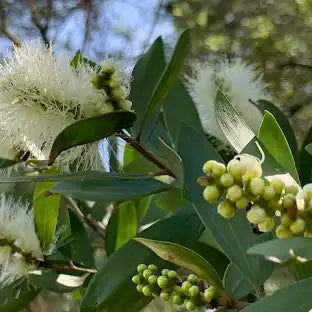
Botanical name: Melaleuca quinquenervia
Family: Myrtaceae
Part used: Leaves
Extraction method: Steam distillation
Geographical origin: Madagascar
Chemotype: Rich in 1,8-cineole
Certifications: Organic, traceable, ISO and IFRA compliant
Supplier: Robertet (France) – world leading producer of natural aromatic raw materials
Olfactory profile
Robertet's Niaouli presents a fresh, penetrating and balsamic aromatic profile, dominated by camphorated and resinous notes, accompanied by a herbaceous, slightly spicy and woody base.
Unlike classic eucalyptus oil, niaouli offers a rounder, sweeter, and greener hue, making it a refined choice for the creative nose.
- Olfactory family: Aromatic – Green – Camphorated
- Note in pyramid: Head / Heart
- Intensity: Medium-strong
- Persistence: Good, with clean dryness
Applications in perfumery
Thanks to its natural complexity and aromatic purity, Niaouli integrates perfectly in:
- Artistic, aromatic, fougère, ozonic, sporty perfumery
- Functional perfumery (deodorants, rooms, spa)
- "Clean", "airy", "herbal" or therapeutic agreements
- Genderless perfumes and green unisex formulations
Recommended chords:
- Top notes: Bergamot, grapefruit, petitgrain, peppermint
- Heart: Lavender, rosemary, geranium, Scots pine
- Base: Vetiver, cedar, clary sage, incense
Benefits and qualities
- 100% pure and natural , without solvents or adulterations
-
Certified organic , compliant with COSMOS / ECOCERT standards
Dosage recommendations for use in perfumery
Robertet Organic Niaouli Essential Oil is an intense, fresh, and camphorated raw material, to be used sparingly in scented compositions. Due to its high 1,8-cineole content, it is advisable to maintain moderate dosages to avoid excessive olfactory dominance or possible skin sensitization.
For alcoholic perfumes (EDT, EDP), a dosage between 0.1% and 1.5% is recommended, depending on the structure of the fragrance and the role of niaouli in the accord.
In the more aromatic, fougère or ozonic and “clean” creations, it can reach 1–2% , always respecting the IFRA limits in force for the final product.
In functional perfumery (such as natural deodorants, room sprays, or wellness products), a use of between 0.2% and 1% is recommended.
For scented roll-ons or oil blends for skin application, do not exceed 1% carrier oil unless otherwise directed by an expert formulator.
Aromatherapy Properties
Niaouli essential oil ( Melaleuca quinquenervia ) is particularly prized in aromatherapy for its antiviral, antibacterial, immunostimulant, and balsamic properties . Certified organic and steam distilled from select leaves, this Robertet oil guarantees purity and reliability in professional settings.
Respiratory system
- Promotes free breathing in case of cold, cough, sinusitis, bronchitis
- It acts as a natural expectorant and mucolytic fluidifier
- Suitable for room diffusion, steam inhalations and balsamic blends
- A gentler alternative to eucalyptus, also suitable for sensitive skin.
Suitable for adults and children over 3 years, in diluted formulations.
Immune support
- Stimulates the body's natural defenses
- Useful in preventative mixtures during seasonal changes
- It fights respiratory infections in the early stages
Excellent in synergy with tea tree, ravintsara, lavender and citrus oils.
Effects on the mental and emotional level
- Refreshes, clarifies and "cleans" the mental and energetic environment
- It promotes concentration and mental clarity
- Useful in states of mental fatigue, apathy or post-flu recovery
Often used in “purifying” blends to harmonize body and mind.
Recommended use
- Diffusion: 3–6 drops per 15–20 m²
- Direct or steam inhalation: 1–2 drops in hot water
- Aromatic roll-on: up to 1% diluted in vegetable oil (jojoba, sweet almond)
- Chest baths and rubs: 2–3 drops in salt or neutral base
Precautions for use
- Rich in 1,8-cineole: avoid direct contact with eyes and mucous membranes
- Do not apply pure to the skin
- Not indicated during pregnancy (1st trimester) or in children under 3 years of age, unless advised by a professional
Share